The Challenge
Health outcomes are not decided at the clinic door alone; they are decided in homes, in fields, in markets, in digital communication platforms, and in conversations between neighbors.
A vaccine that is available but not trusted at the community, a screening service that exists but is never sought, a medication that is prescribed but not taken as directed, these are not failures of supply. They are failures of communication, social norms, and behavior.
Rwanda's disease burden now spans infectious diseases (HIV, TB, malaria, NTDs), a fast-rising wave of non-communicable diseases (hypertension, diabetes, cancers, COPD), mental health conditions, sexual and reproductive health needs, and recurring public health emergencies. Each of these areas is too often addressed with its own siloed messaging, produced separately, tested separately, and delivered through separate channels, duplicating effort while communities absorb fragmented, sometimes contradictory, information.
What is missing is not more messaging. It is a single, evidence-based discipline for understanding why people do or do not adopt healthy behaviors, and for designing communication and social change strategies that work across the entire spectrum of health, not disease by disease, but person by person, household by household, community by community.
Our Approach
HBR treats Communication for Development (C4D) as the cross-cutting engine that powers every other program area: it is the “how" that carries GSRH, NCD, mental health, pharmaceutical access, and emergency response content to the people who need it, in language and formats they trust and understand. C4D at HBR combines Social and Behavior Change Communication (SBCC), community dialogue, and participatory media, grounded in behavioral science and Rwanda's own community engagement architecture, Umuganda, Umugoroba w'Umuryango, Inshuti z'Umuryango (IZU), and community health worker (CHW) networks.
OUR C4D FRAMEWORK IS BUILT ON FIVE PILLARS:
Evidence and Insight-Driven
Every campaign begins with formative research, KAPB surveys, barrier analysis, and audience segmentation, to understand what actually drives or blocks a behavior before a single message is written.
Multi-Level by Design
We work across the socio-ecological model at once: individual knowledge and attitudes, interpersonal and family dynamics, community and social norms, and the institutional/policy environment that enables or constrains behavior change.
All-Disease, All-Life-Course Inclusive
C4D is not disease-specific. The same rigorous behavior change methodology is applied across infectious diseases, NCDs, mental health, SRH, nutrition, and emergency/outbreak contexts, tailored to each audience's life stage and context.
Culturally Rooted and Participatory
Communities co-create the messages, messengers, and formats, participatory theatre, edutainment, storytelling, and dialogue, rather than receiving content designed elsewhere and simply translated.
Behavior- and Norm-Change Oriented
Success is measured in demand generated, services taken up, stigma reduced, and social norms shifted, not in materials printed, distributed or people "reached."
Key Interventions
- Formative research and audience segmentation (KAPB surveys, barrier analysis, positive deviance inquiry) across disease and health topic areas
- Design and pre-testing of SBCC strategies, messages, and materials for infectious disease, NCD, mental health, SRH, nutrition, and emergency health programs
- Demand generation campaigns to drive uptake of health services and products (screening, immunization, family planning, mental health care, chronic disease management)
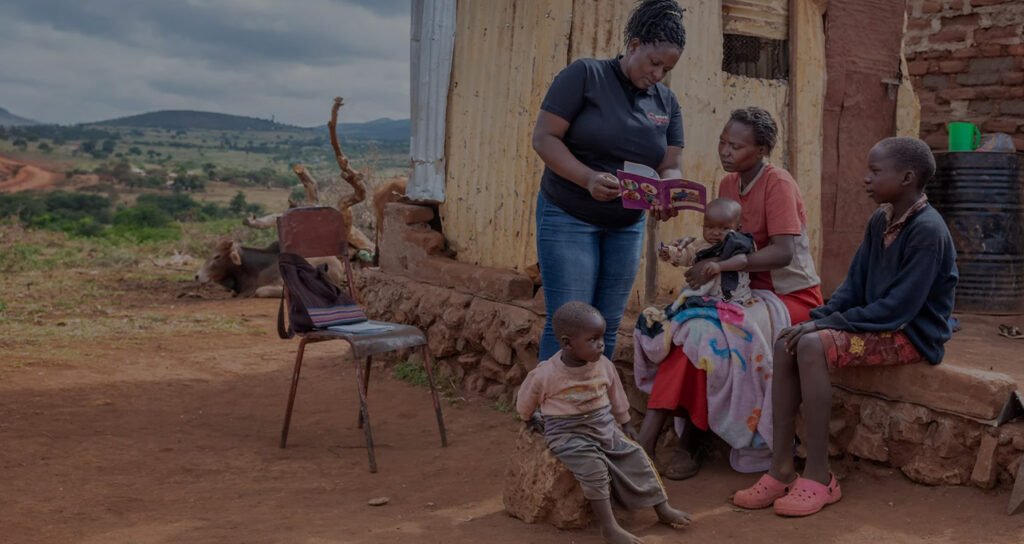
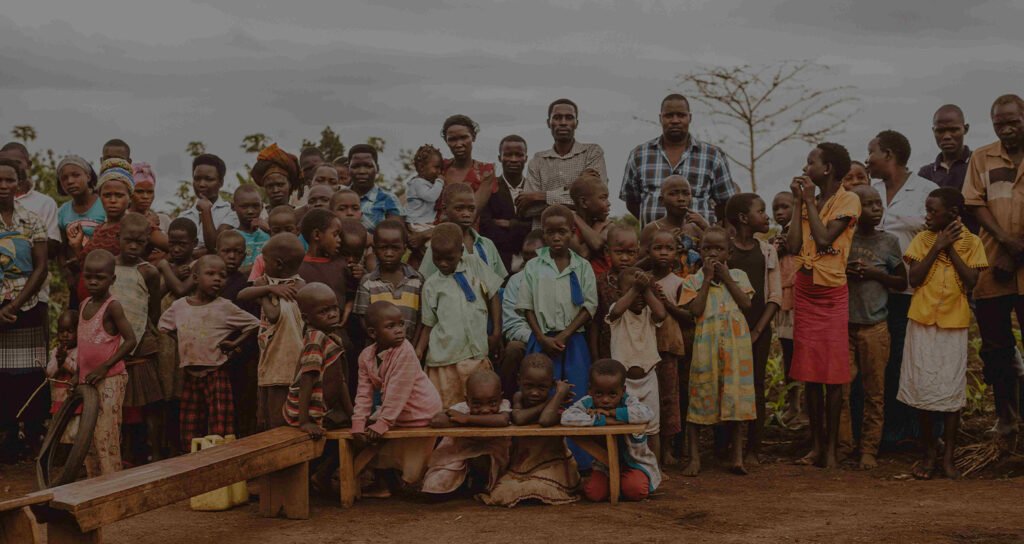
- Community dialogue sessions and participatory platforms (community theatre, radio and TV edutainment, storytelling) built on existing local structures
- Stigma and discrimination reduction programming for HIV, mental health, NCDs, and other stigmatized conditions
- Interpersonal communication (IPC) job aids and counseling tools for community health workers and frontline providers
- Capacity building of CHWs and community influencers in behavior change communication methods
- Media and journalist engagement to strengthen accurate, stigma-free health reporting
- Integration with RCCE during health emergencies to ensure continuity of trusted messengers and channels
- Social norms mapping and social change strategies addressing gender, disability, and other equity barriers to health-seeking behavior
- Digital and mobile (mHealth) behavior change tools for reach into hard-to-reach communities
- Monitoring and evaluation of behavior and social norm change (KAPB follow-up surveys, Most Significant Change methodology)