Our Programs
Contact us
KG XXX ST
Kigali, Rwanda
info@healthbridge.rw
+250 7XX XXX XXX
Call For Inquiry
+(250) 7XX XXX XXX
The Challenge
Health systems fail not only when they lack medicines or facilities, but they also fail when communities do not trust them. Vaccine hesitancy, delayed care-seeking, misinformation, and health emergency mismanagement are not information problems alone; they are trust problems. And trust, once broken, is exceptionally difficult to rebuild.
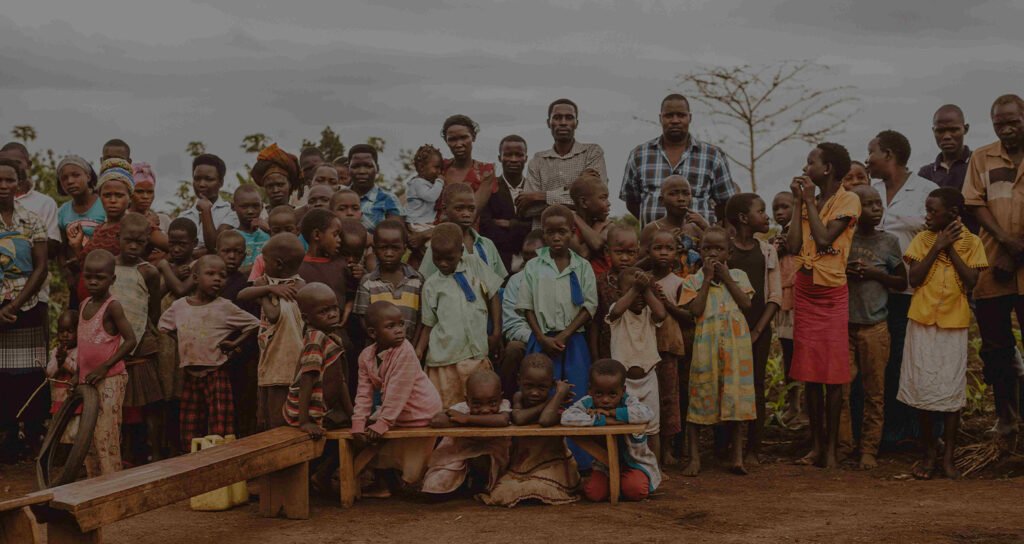
Rwanda's national health communication infrastructure has grown significantly. Still, significant gaps remain in tailoring RCCE approaches to Highrisk/underserved/vulnerable communities, ensuring two-way communication rather than top-down messaging, and maintaining community engagement between emergencies rather than only during them.
This also includes growing health threats driven by climate change, urbanization, and ecological shifts, which disproportionately impact women and low-income populations due to their reliance on natural resources and roles as primary water/fuel gatherers.
Our Approach
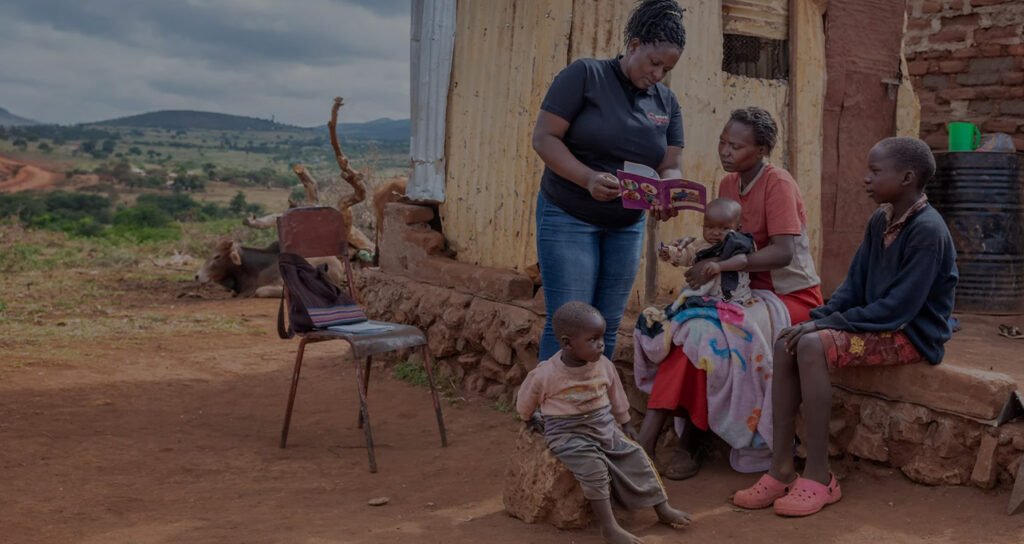
HBR designs and implements RCCE strategies that are community-centered, culturally grounded, and built for sustained engagement, not just outbreak response. We draw on Rwanda's rich community architecture, including Imihigo (performance contracts), Umuganda (community work), Umugoroba w'Ababyeyi (parents' evening forums), and Inshuti z'Umuryango (IZU) volunteer networks as engagement infrastructure.
OUR RCCE FRAMEWORK IS BUILT ON FIVE PILLARS:
Community-Led
Communities define the communication priorities, not only receive them
Two-Way
We listen as much as we communicate, and feedback mechanisms are non-negotiable
Evidence-Based
We use KAPB (Knowledge, Attitudes, Practices, and Behaviors) surveys to design and evaluate all communication strategies
Equity-Responsive
We prioritize hard-to-reach groups: rural communities, people with disabilities, low-literacy populations, and those with limited digital access
Resilience-Oriented
We build community capacity to engage with health information, including during health emergencies and infodemic events.
Key Interventions
- RCCE strategy design and review for national/subnational health programs
- Community health worker training in RCCE methodologies
- Community listening
- Participatory health communication campaigns
- Rumor and misinformation monitoring and response systems
- Infodemic management capacity building
- Community feedback and accountability mechanisms (AAP: Accountability to Affected Populations)
- Most Significant Change (MSC) methodology for qualitative impact documentation
- Implementation of universal design for communication standards, including sign language interpretation, large print, and audio format, to ensure all RCCE outputs are accessible to people with diverse disabilities and literacy levels.