The Challenge
Despite Rwanda's remarkable achievements in expanding health coverage, critical GSRH gaps persist, particularly for adolescents, young women, key populations, and survivors of gender-based violence. Structural barriers, including stigma, punitive legal environments, provider bias, and insufficient community-level information, continue to prevent millions from exercising their sexual and reproductive rights.
Unintended pregnancies, unsafe abortions, sexually transmitted infections, gender-based violence, and HIV transmission remain concentrated among the most vulnerable/high-risk, not because they are more vulnerable by nature, but because the systems designed to protect them have failed to reach them.
Our Approach
HBR takes a rights-based, survivor-centered, justice-oriented, and community-grounded approach to GSRH programming, anchored in five strategic areas:
Adolescent and Youth Sexual and Reproductive Health (AYSRH)
We work with schools, community youth networks, Umugoroba w'Ababyeyi groups, and health facilities to ensure adolescents, including those out of school, receive age-appropriate, medically accurate, and non-judgemental SRHR education and services. We advocate for the removal of age-based policy barriers that prevent adolescents from accessing contraception and SRH services without parental consent.
Maternal, Newborn, and Child Health (MNCH) Equity
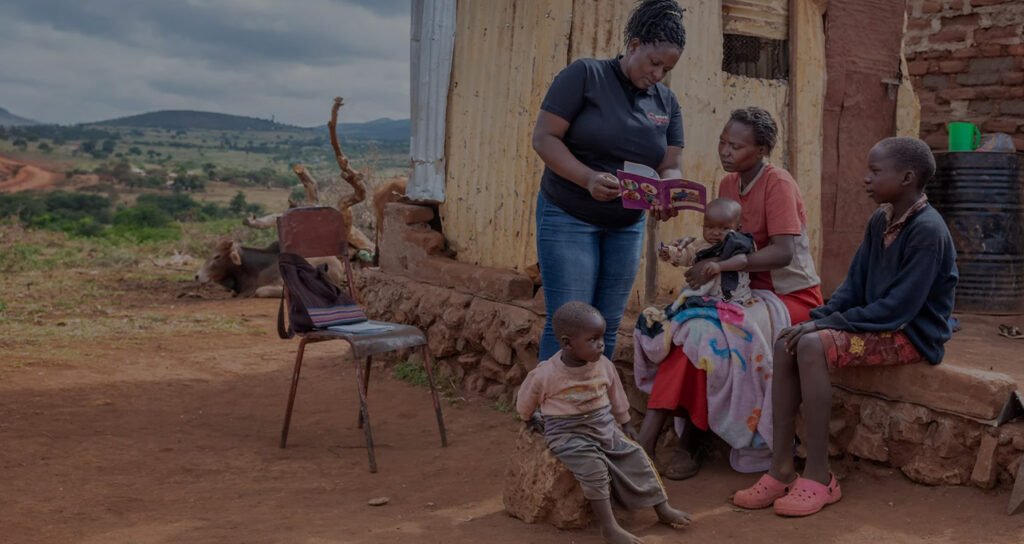
We address the disparities in maternal health outcomes between urban and rural Rwanda, between women with formal education and those without, and between women with economic stability and those in poverty. We strengthen community health worker (CHW) networks toensure antenatal care, safe delivery, and postnatal support reach every pregnant woman, including those in the most remote settings.
Key Population Health and HIV/STI Prevention
We provide health education, linkage to care, and advocacy for populations that face disproportionate HIV risk and stigma and descrimination from health services: female sex workers (FSW), men who have sex with men (MSM), transgender individuals, and people who inject drugs (PWID). We work to destigmatize these populations within health facilities and advocate for their explicit inclusion in national health policies.
Gender-Based Violence (GBV) Prevention and Response
We integrate GBV prevention education into community programming, train health workers to identify and respond to signs of violence, and ensure survivors have access to clinical management of rape, psychosocial support, legal aid referral pathways, and safe spaces.
GSRH Policy and Advocacy
We generate and disseminate evidence that influences national GSRH policy, including the standards of care for SRH services, the regulatory environment for contraception, comprehensive sexual education (CSE) and the legal frameworks governing access to safe abortion. We engage parliamentarians, health ministry officials, and civil society coalitions as credible, data-driven advocacy partners.
Key Interventions
- Community-level GSRH education campaigns
- Adolescent-friendly health service delivery support
- Community-based distribution of family planning commodities
- GSRH integration into HIV/TB community-led monitoring
- Health worker training on rights-based SRH care
- Policy briefs and evidence synthesis for national decision-makers
- Safe space programming for GBV survivors
- Peer education networks among key populations
- Development of intersectional training modules on serving women and adolescents with disabilities, ensuring services are physically accessible, communication is non-coercive, and consent protocols are fully adaptive.