What We Do

Overview

What We Do, and Why It Matters

Health equity is not achieved by treating all people identically. It is achieved by identifying who is being left behind and deliberately, relentlessly closing the gap. HBR's work is organized around program areas, all unified by a single commitment: that no one's access to healthcare should be determined by their gender, geography, identity, or economic status.

How We Deliver

HBR’s program areas describe what we do. Our delivery science approach describes how. Delivery science, the systematic study of how interventions are packaged, implemented, and adapted to reach populations equitably, is as central to HBR’s work as the interventions themselves. An evidence-based GSRH service that does not reach female sex workers in Musanze is not an equity intervention; it is an urban convenience program.

How We Deliver

HBR’s Delivery Science Principles

HBR applies five delivery science principles across all program areas:

01
Task-Sharing Architecture

HBR designs all service delivery models around Rwanda’s existing community health infrastructure, CHWs, Inshuti z’Umuryango volunteers, peer educators, and community health champions. Where the system has trusted, community-embedded actors, HBR builds with them, not around them. New cadres are added only where structural gaps cannot be addressed through capacity building of existing roles.

02
Fidelity with Flexibility

HBR maintains the evidence-based core of each intervention (fidelity) while building in structured adaptation protocols for different geographic, linguistic, and socio-cultural contexts (flexibility). Adaptation decisions are documented and tracked through our CLM system, ensuring that what is adapted, and why, becomes part of the program evidence base.

03
Digital-Physical Integration

Drawing on experience, HBR integrates digital tools, supply chain monitoring platforms, community feedback SMS systems, digital KAPB surveys, with in-person, CHW-delivered programming. Digital tools extend reach; human relationships sustain trust. Neither is sufficient alone.

04
Equity-Responsive Targeting

Each program area begins with an explicit mapping of who is not being reached by existing services, and why. HBR’s delivery planning starts with the furthest-out populations and works inward, the inverse of how most health programs are designed.

05
Sustainment Planning from Day One

HBR builds sustainment infrastructure, government co-ownership, community mandate, integration into existing systems, from the design phase of every intervention, not as a project-closing afterthought. The test of a delivery model is not whether it works while HBR funds it, but whether the community or system can maintain it afterwards.

What We Do

Our Program Areas

01.
Ensuring adolescents, women, and key populations access non-judgemental reproductive care, free from the stigma and legal barriers that exclude them. View Details
02.
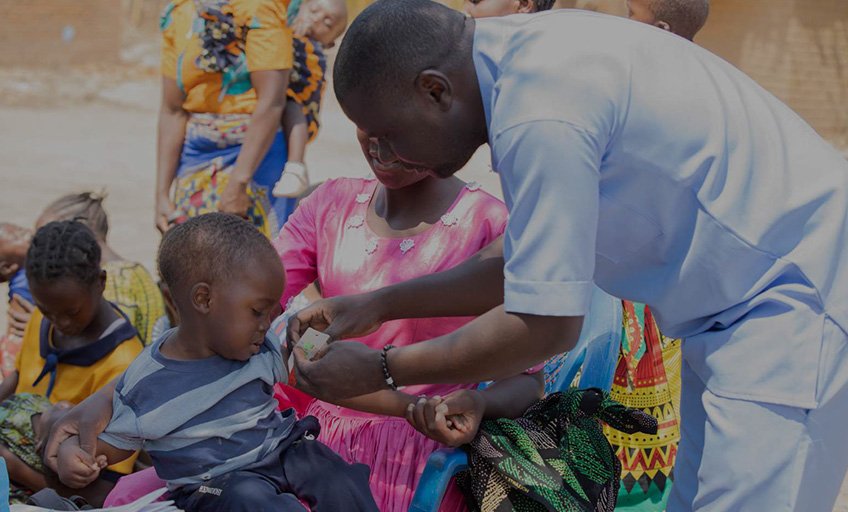
Building lasting community trust through two-way, culturally grounded health communication that tackles misinformation and keeps people engaged beyond emergencies. View Details

03.
Bringing essential medicines within reach through stronger supply chains, fairer insurance coverage, and last-mile delivery to underserved rural communities. View Details
04.
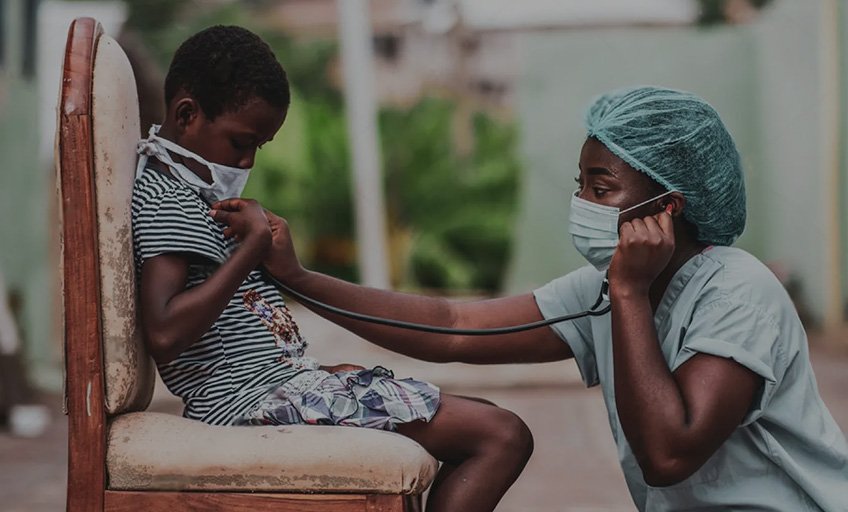
Preventing and managing chronic diseases like diabetes and hypertension, ensuring care and treatment reach those most often left behind. View Details
05.
Treating mental health as a community right, not just hospital care, by training frontline workers and building stigma-free support. View Details
06.
Turning community-driven evidence into policy and lasting practice change, closing the gap between Rwanda's researchers and the decisions that matter. View Details
07.
Turning health knowledge into lasting behavior and social change, across every disease area, from HIV, SRHR to NCDs to mental health. View Details