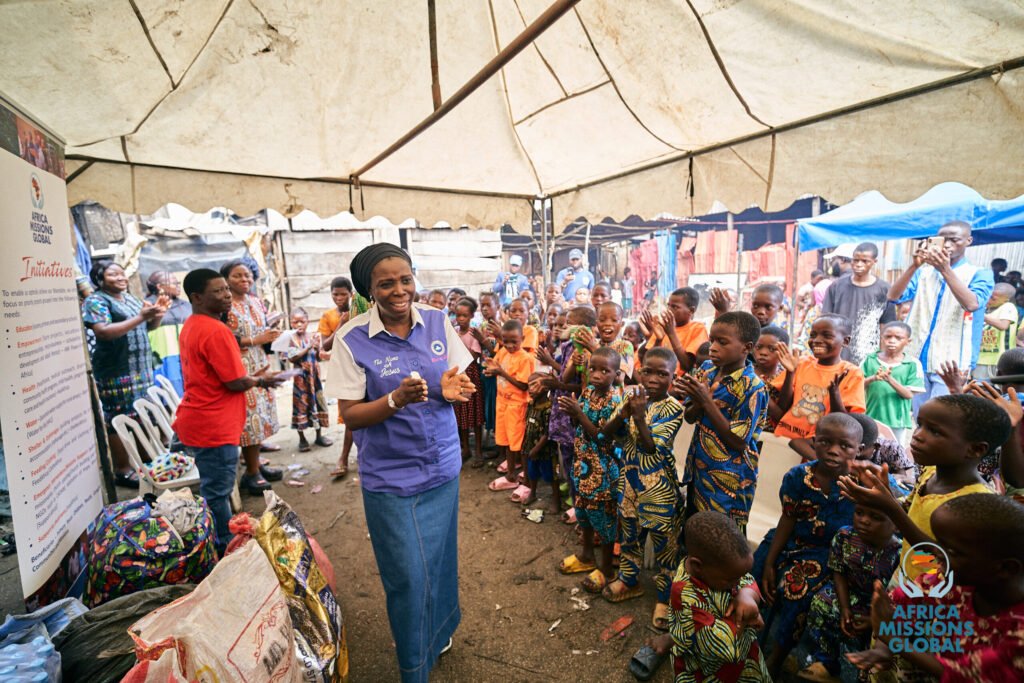
At Health Bridge Rwanda (HBR), we believe that every gap in health equity is a gap in justice. This conviction drives everything we do, from the communities we walk alongside to the policies we work to reshape. In this piece, we share reflections, evidence, and stories from the ground that illustrate why bridging the structural gaps in Rwanda's health system is not only necessary, but urgent.
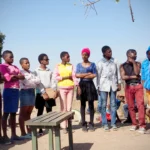
Rwanda has made remarkable progress in expanding health coverage over the past two decades. Yet behind the national averages, gaps persist, and they are not random. They fall disproportionately on the people least able to overcome them: adolescents seeking sexual and reproductive health services, women in remote communities, people living with chronic conditions, and those pushed to the margins by stigma, poverty, or geography. These are not accidents of circumstance. They are the result of structural inequities, and closing them requires intentional, community-grounded, and evidence-driven action.
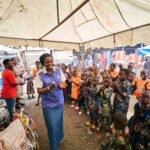
At HBR, we do not build bridges for communities; we build them with communities. We recognize that the people most affected by health inequity are also the experts on what they need. That is why our work begins with listening. We bring communities into the design of every program, ensuring that the solutions we develop are relevant, trusted, and sustainable long after any single intervention ends. Communities are not the beneficiaries of our work; they are its authors.
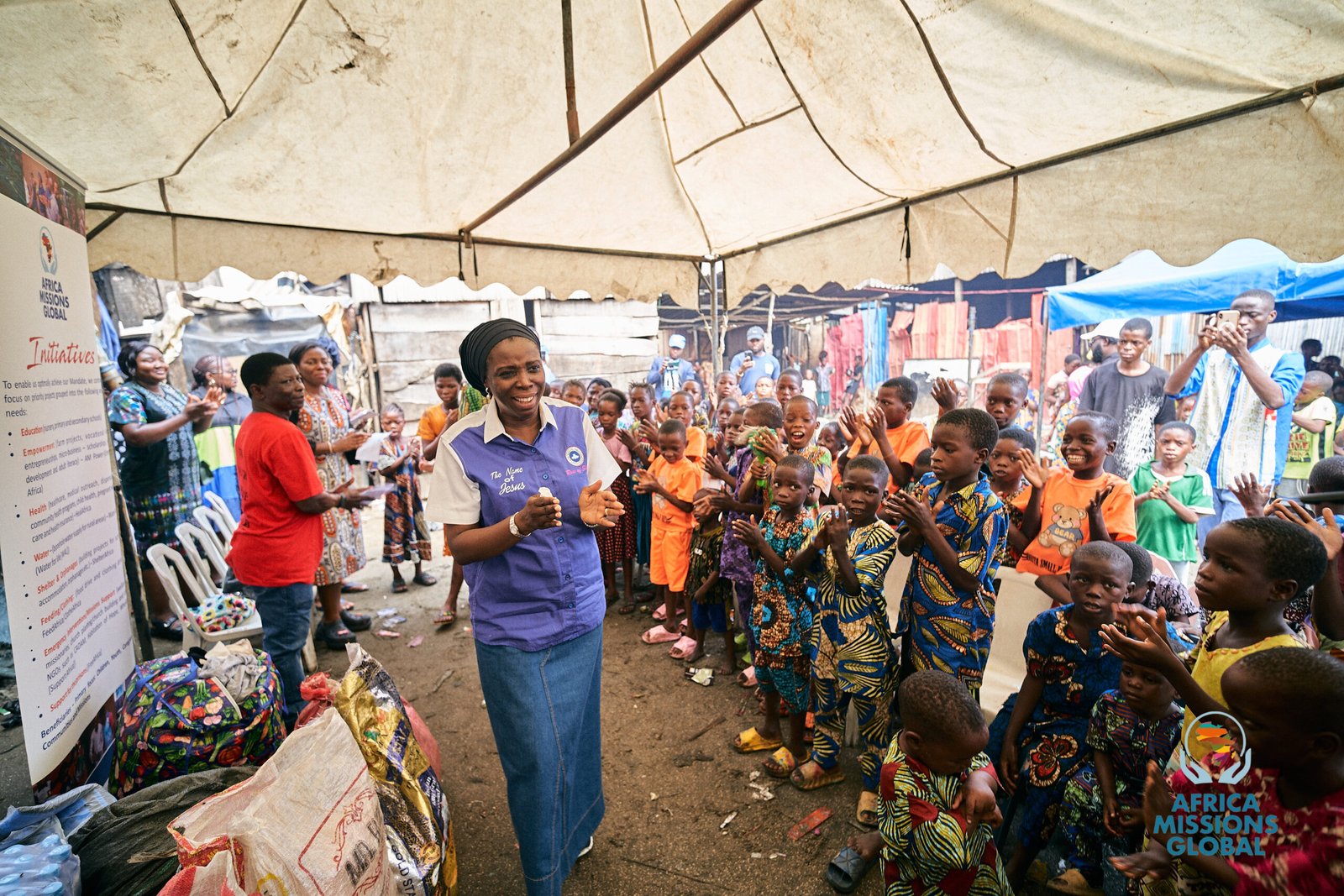
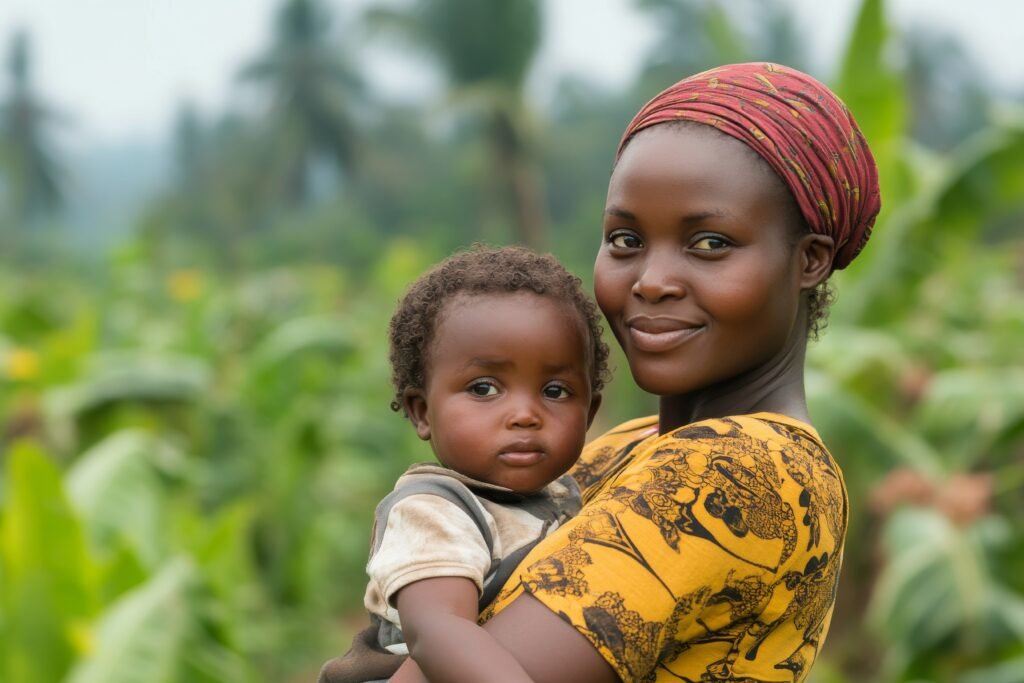
Evidence sits at the heart of our approach. We design what the data demands and adapt to what communities teach us. Through community-led monitoring, participatory research, and honest reflection, we generate the kind of knowledge that does not sit on a shelf, but instead changes what happens to real people. When evidence and community insight meet, policy and practice begin to shift, and access to care follows.
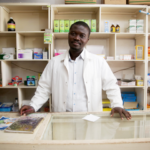
But data alone is not enough. Real change requires that we confront the structural barriers head-on: the stigma that turns people away from clinics, the punitive environments that push vulnerable groups into hiding, the supply chains that leave essential medicines out of reach, and the gap between policies on paper and realities on the ground. HBR exists precisely to close these gaps, working at the intersection of community, policy, and care.
The work is not finished, and we do not pretend that it is easy. But we are guided by a simple belief: that no one's access to healthcare should be determined by their gender, geography, identity, or income. Every community we reach, every barrier we dismantle, and every voice we amplify brings Rwanda one step closer to a future where dignified, quality health is a right enjoyed by all, not a privilege held by some.
The bridge gets stronger when more people build it. Whether you are a community member, a health professional, a researcher, or a partner, there is a role for you in this work. Together, we can close the gaps, one community at a time.